
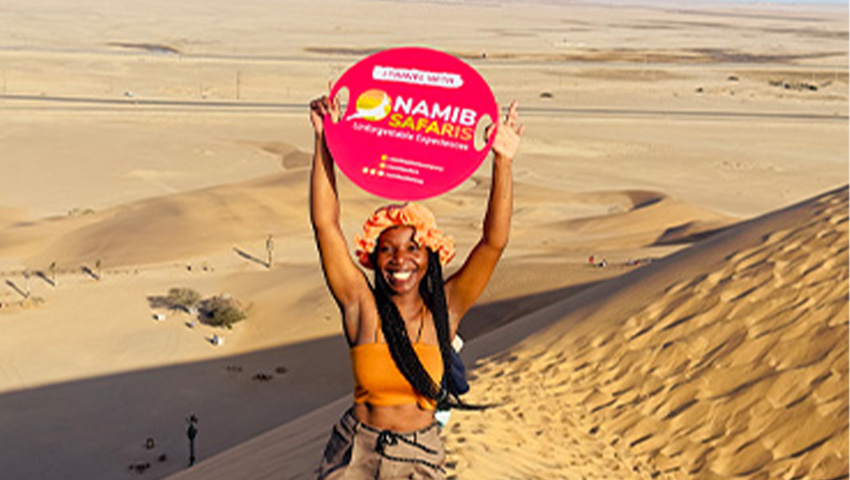
Namibia is renowned for its diverse and captivating landscapes. The country boasts sweeping dunes, breathtaking views, and unspoiled natural beauty. With a thriving population of cheetahs, Namibia offers unparalleled wildlife encounters and is a year-round destination.
The country’s landscapes are genuinely surreal, featuring vast expanses of copper dunes contrasted by vibrant green pockets of vegetation. Namibia’s desert is where the remnants of abandoned ships meld into the sands, creating an otherworldly spectacle.
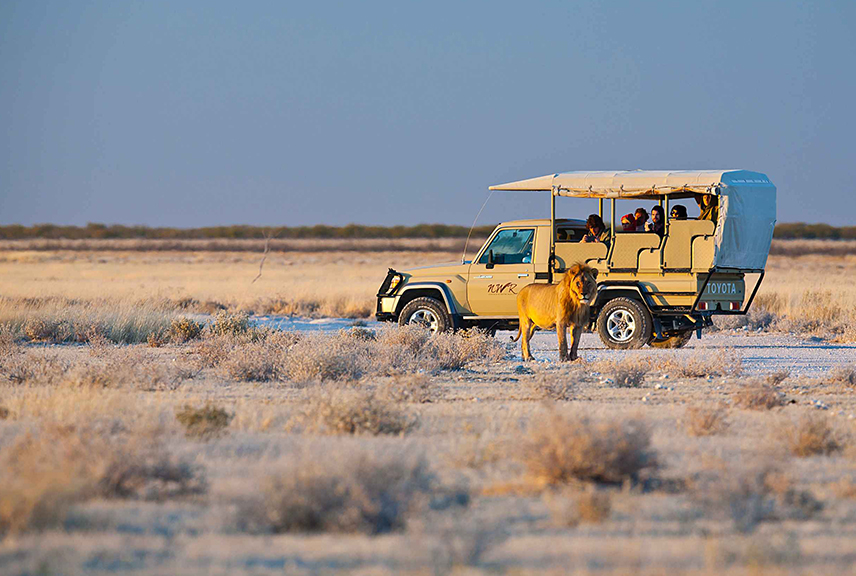
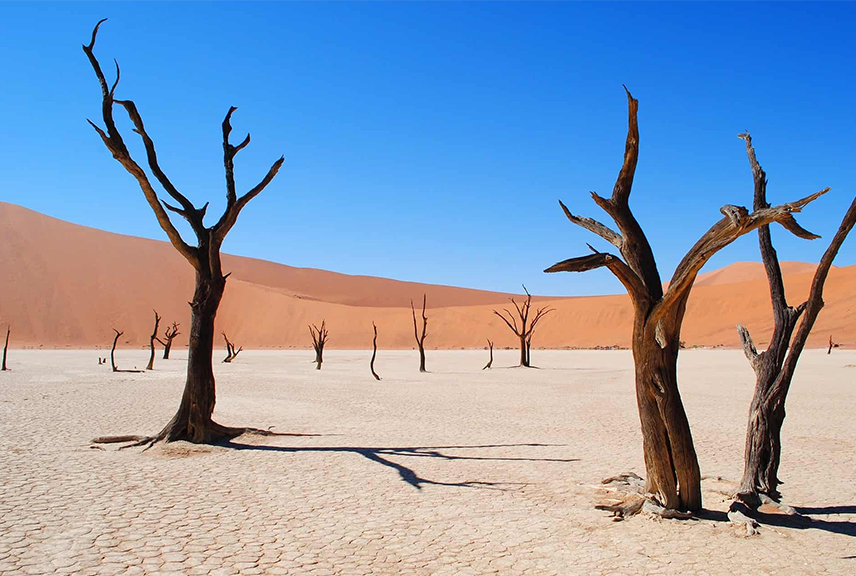
Few places on earth can match Namibia’s sheer variety of landscapes. From the rippling dunes and rugged clay valleys of Sossusvlei in the Namib Desert to the expansive savannahs and shimmering salt pans of Etosha National Park, often referred to as ‘the place of mirages,’ Namibia’s natural wonders are truly exceptional.
Namibia is home to notable attractions such as the Skeleton Coast, which encompasses the abandoned town of Kolmanskop. During the early 1900s, the town experienced a surge in German settlers drawn by the discovery of diamonds in its sandy terrain. However, the town’s diamond reserves were depleted within a few decades, leading to its sudden abandonment. Today, Kolmanskop is a testament to its former prosperity, with its once grand German architecture now reduced to weathered remnants engulfed by sand. Similarly, other outposts like Oranjemund met a similar fate.
Furthermore, Namibia hosts the world’s oldest desert, the Namib, known for its highly arid conditions. The indigenous wildlife in this environment have adapted to survive in such harsh conditions. Notable species include the Hartmann’s zebra, springbok, and gemsbok, which have developed the ability to endure extended periods without water by subsisting on shrubs and succulents.
Namibia’s desert elephants have also evolved to thrive in the desert. Their strategies for survival include utilising plants as water sources, possessing larger feet to navigate sandy terrain, and living in smaller herds to conserve resources. The optimal time to observe these fascinating adaptations is from June to October.
Namibia, renowned for its vast and sparsely populated landscapes, offers unparalleled solitude. Kaokoland, where the Himba and Herero ethnic groups reside, epitomises this remote tranquillity, providing an ideal escape from the hustle and bustle of everyday life.
Furthermore, Namibia’s exceptionally dark skies, attributable to its clear weather and minimal light pollution, make it one of the finest destinations for stargazing globally. The NamibRand Nature Reserve, designated as an International Dark Sky Reserve, offers an unobstructed view of celestial wonders. The Sossusvlei Desert Lodge, equipped with star-viewing skylights, an advanced telescope, and an on-site observatory, presents an exceptional opportunity for a romantic stargazing experience, perfect for a honeymoon in Namibia.
Adding to its mystique, Namibia’s Skeleton Coast, located in the northwestern region, is notorious for the tragic shipwrecks that adorn its shores. Over the centuries, the area has claimed numerous vessels due to treacherous currents and dangerous coastlines. An eerie yet captivating sight, the shipwrecks and the enigmatic presence of secret rivers and shifting dunes make the Skeleton Coast an obligatory stop for any traveller venturing through Namibia.
Namibia is an extraordinary destination, filled with historical wonders and cultural richness just waiting to be explored. One of the must-see historical sites is Twyfelfontein, an open-air gallery adorned with over 2,000 mesmerising rock engravings that date back several thousand years. These ancient artworks, believed to have been created by San shamans, depict many animals, human figures, and even footprints, offering a fascinating glimpse into the distant past.
But the historical marvels of Namibia don’t end there. You can also venture to the renowned Apollo 11 cave, the ancient Mirabib Rock, and the footprint-strewn landscapes of the Otjihaenamaparero Farm, each offering its unique insight into the country’s rich history.
Moreover, as you explore Namibia, you’ll notice a captivating blend of architectural styles. The legacy of German colonialism is particularly evident in the capital city of Windhoek, where many buildings bear the influence of northern European design. Beyond the urban landscape, you’ll encounter traditional structures built by groups like the Himba, who skillfully construct sturdy huts using locally sourced materials like branches and cow dung. Many luxury lodges draw inspiration from these indigenous building techniques, offering a seamless blend of modern comfort and traditional craftsmanship. One such example is Serra Cafema, situated along the Kunene River, which is thoughtfully designed to reflect the layout of a Himba village, providing an immersive and luxurious experience for visitors.
Regarding culture, Namibia boasts a rich tapestry of indigenous traditions and lifestyles. The San people believed to be the region’s first inhabitants, continue to reside in Namibia, preserving their ancient way of life. From the mountainous regions of southern Namibia to the Kunene Region, where the Himba serve as the custodians of the land, the country is brimming with opportunities to learn about diverse indigenous groups and their unique customs. Whether engaging with the Himba community to gain insight into their way of life or immersing oneself in the language and traditions of Namibia’s six different Indigenous groups, the country offers a wealth of cultural experiences for curious travellers.